Why the Rupee Is Falling (And What That Actually Means for You)
Why the Rupee Is Falling (And What That Actually Means for You)
If you’ve noticed international subscriptions getting costlier, gadgets feeling overpriced, or travel plans suddenly stretching your budget, you’re not imagining it. The Indian rupee has been under pressure, and while currency news often feels distant and technical, rupee depreciation directly impacts your daily spending power. Let’s break this down simply, no economics degree required.
If you’ve noticed international subscriptions getting costlier, gadgets feeling overpriced, or travel plans suddenly stretching your budget, you’re not imagining it. The Indian rupee has been under pressure, and while currency news often feels distant and technical, rupee depreciation directly impacts your daily spending power. Let’s break this down simply, no economics degree required.
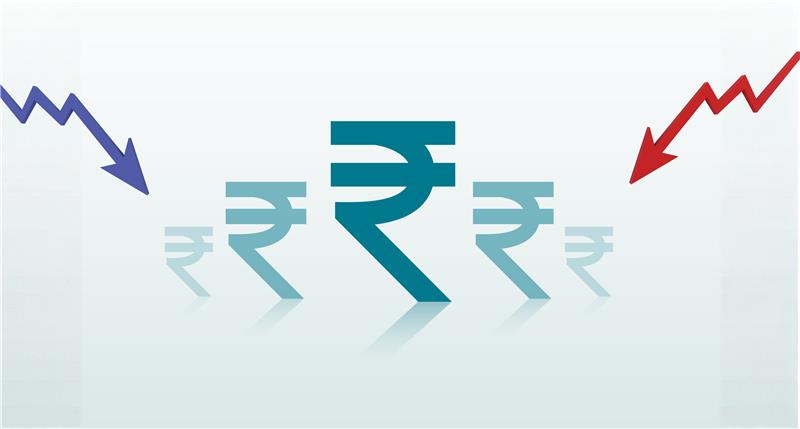
First, what does “rupee depreciation” actually mean?
Rupee depreciation means the Indian rupee is losing value compared to foreign currencies, especially the US dollar.
In practical terms:
You need more rupees to buy the same dollar
Anything priced globally becomes more expensive for Indians
This isn’t just a market headline—it quietly affects your wallet.
Why is the rupee falling? (The real reasons)
There isn’t one single reason. Currency value is shaped by global forces + India-specific factors.
Here are the biggest ones.
1. A strong US dollar puts pressure on all emerging markets
When the US economy tightens interest rates, global investors prefer parking money in dollar-backed assets because they’re seen as safer.
This leads to:
Capital moving out of emerging markets like India
Higher demand for dollars
Weaker local currencies, including the rupee
India isn’t alone here, most emerging market currencies face similar pressure during strong-dollar cycles.
2. India imports more than it exports (and that matters)
India depends heavily on imports for:
Crude oil
Electronics
Semiconductors
Fertilisers
When imports are high, India needs more dollars to pay for them.
More dollar demand = downward pressure on the rupee.
Even when domestic consumption is strong, the currency can weaken due to global trade dynamics.
3. Rising oil prices hit the rupee directly
Oil is priced in dollars.
When oil prices rise:
India spends more dollars on imports
The current account deficit widens
The rupee weakens further
This is why fuel prices, inflation, and currency value are closely linked, even if you don’t connect them immediately.
4. Inflation and interest rate expectations
When inflation rises:
Central banks may tighten monetary policy
Borrowing costs increase
Growth slows
The Reserve Bank of India actively manages volatility using foreign exchange reserves, but no central bank can fully control global currency flows.
The RBI’s goal is stability, not fixing an exact exchange rate.
What does a falling rupee actually mean for you?
This is where it gets real.
1. Imported things get expensive superfast
A weaker rupee makes imported products cost more, including:
Smartphones and laptops
International fashion brands
Software and app subscriptions
Online courses priced in dollars
Even if the brand doesn’t raise prices immediately, costs creep up over time.
2. International subscriptions quietly increase
Platforms like streaming services, cloud tools, and design software are often dollar-priced.
When the rupee falls:
The INR amount charged increases
Your monthly expenses rise without any lifestyle change
This is one of the most invisible effects of currency depreciation.
3. Foreign travel and education become costlier
A falling rupee directly impacts:
Foreign travel budgets
Study-abroad expenses
International exams and applications
This is why many people feel travel is suddenly “out of reach”, currency value plays a big role.
4. Your salary feels smaller, even if it didn’t change
This is called loss of purchasing power.
You may earn the same amount in rupees, but globally:
Your money buys less
Imported inflation seeps into daily life
Lifestyle costs slowly rise
This is why many young professionals feel financially stressed despite stable income.
Is rupee depreciation always bad?
Not entirely.
A weaker rupee can:
Boost exports
Help IT and service companies earning in dollars
Improve competitiveness of Indian goods globally
But for consumers, especially urban, digital-first users, the short-term impact is almost always higher costs.
What should you actually do as an individual?
You don’t need to panic or overhaul your finances.
But you should:
Be mindful of international spends
Track subscriptions priced in foreign currency
Budget flexibly during currency volatility
Focus on spending control, not extreme cutbacks
Currency cycles come and go. Smart money habits stay relevant.
The bigger takeaway
Rupee depreciation isn’t just an economic concept, it’s a lifestyle factor in today’s connected world.
When the rupee falls:
Your spending power changes
Your budget needs adjustment
Awareness matters more than ever
Understanding why this happens helps you make calmer, smarter financial decisions, without fear or confusion.
Because money stress isn’t about headlines.
It’s about how those headlines quietly show up in your everyday life.
First, what does “rupee depreciation” actually mean?
Rupee depreciation means the Indian rupee is losing value compared to foreign currencies, especially the US dollar.
In practical terms:
You need more rupees to buy the same dollar
Anything priced globally becomes more expensive for Indians
This isn’t just a market headline—it quietly affects your wallet.
Why is the rupee falling? (The real reasons)
There isn’t one single reason. Currency value is shaped by global forces + India-specific factors.
Here are the biggest ones.
1. A strong US dollar puts pressure on all emerging markets
When the US economy tightens interest rates, global investors prefer parking money in dollar-backed assets because they’re seen as safer.
This leads to:
Capital moving out of emerging markets like India
Higher demand for dollars
Weaker local currencies, including the rupee
India isn’t alone here, most emerging market currencies face similar pressure during strong-dollar cycles.
2. India imports more than it exports (and that matters)
India depends heavily on imports for:
Crude oil
Electronics
Semiconductors
Fertilisers
When imports are high, India needs more dollars to pay for them.
More dollar demand = downward pressure on the rupee.
Even when domestic consumption is strong, the currency can weaken due to global trade dynamics.
3. Rising oil prices hit the rupee directly
Oil is priced in dollars.
When oil prices rise:
India spends more dollars on imports
The current account deficit widens
The rupee weakens further
This is why fuel prices, inflation, and currency value are closely linked, even if you don’t connect them immediately.
4. Inflation and interest rate expectations
When inflation rises:
Central banks may tighten monetary policy
Borrowing costs increase
Growth slows
The Reserve Bank of India actively manages volatility using foreign exchange reserves, but no central bank can fully control global currency flows.
The RBI’s goal is stability, not fixing an exact exchange rate.
What does a falling rupee actually mean for you?
This is where it gets real.
1. Imported things get expensive superfast
A weaker rupee makes imported products cost more, including:
Smartphones and laptops
International fashion brands
Software and app subscriptions
Online courses priced in dollars
Even if the brand doesn’t raise prices immediately, costs creep up over time.
2. International subscriptions quietly increase
Platforms like streaming services, cloud tools, and design software are often dollar-priced.
When the rupee falls:
The INR amount charged increases
Your monthly expenses rise without any lifestyle change
This is one of the most invisible effects of currency depreciation.
3. Foreign travel and education become costlier
A falling rupee directly impacts:
Foreign travel budgets
Study-abroad expenses
International exams and applications
This is why many people feel travel is suddenly “out of reach”, currency value plays a big role.
4. Your salary feels smaller, even if it didn’t change
This is called loss of purchasing power.
You may earn the same amount in rupees, but globally:
Your money buys less
Imported inflation seeps into daily life
Lifestyle costs slowly rise
This is why many young professionals feel financially stressed despite stable income.
Is rupee depreciation always bad?
Not entirely.
A weaker rupee can:
Boost exports
Help IT and service companies earning in dollars
Improve competitiveness of Indian goods globally
But for consumers, especially urban, digital-first users, the short-term impact is almost always higher costs.
What should you actually do as an individual?
You don’t need to panic or overhaul your finances.
But you should:
Be mindful of international spends
Track subscriptions priced in foreign currency
Budget flexibly during currency volatility
Focus on spending control, not extreme cutbacks
Currency cycles come and go. Smart money habits stay relevant.
The bigger takeaway
Rupee depreciation isn’t just an economic concept, it’s a lifestyle factor in today’s connected world.
When the rupee falls:
Your spending power changes
Your budget needs adjustment
Awareness matters more than ever
Understanding why this happens helps you make calmer, smarter financial decisions, without fear or confusion.
Because money stress isn’t about headlines.
It’s about how those headlines quietly show up in your everyday life.